Custom data integration

What is API Integration and how does It work?
API integration is the process of connecting different software applications through their APIs so they can exchange data and work together.
→
What’s the Best iPaaS for Small Businesses in 2026?
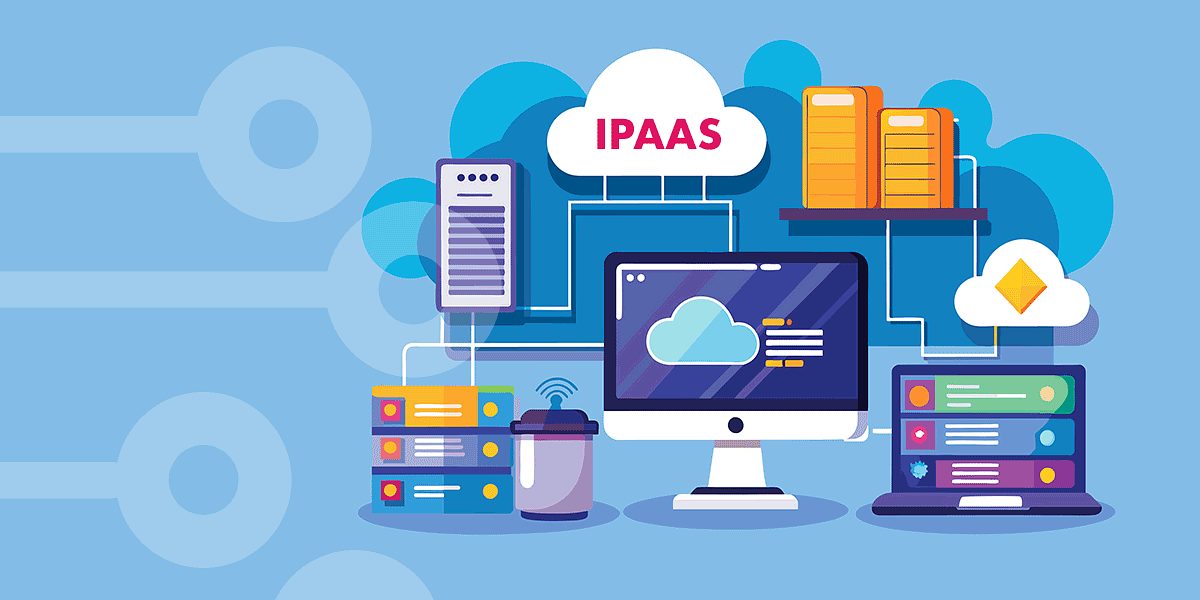
As small businesses continue adopting more cloud applications, choosing the right iPaaS solution has become essential for keeping systems connected and data synchronized. The best iPaaS platforms in 2026 are those that combine affordability, ease of use, scalability, and fast deployment without requiring complex custom development.
→
MuleSoft vs Boomi vs Rapidi: Choose The Best Data Integration Tool
MuleSoft and Boomi are powerful integration platforms with different approaches: MuleSoft is ideal for complex, API-led environments, while Boomi is more accessible for businesses that want rapid, low-code integration. Which one is better depends on the size of the company, the complexity of the systems, and the budget.
→![How Rapidi Helped Educate 360 Scale Business Automation [Case Story]](/sa/wzdqr4migsrdb0ntjdskbteclr5q/educate-case-story-blog.jpeg)
How Rapidi Helped Educate 360 Scale Business Automation [Case Story]
Educate 360 runs five professional training brands across multiple countries. The company uses Salesforce for sales and customer management and Microsoft Dynamics 365 Business Central for accounting. Before Rapidi, custom APIs connected these systems. Those APIs broke down under high transaction volumes, forced staff to enter data manually, and created inconsistencies across departments.
→
Benefit & Advantages Of Data Integration
This article explores the significant advantages of integrating ERP and CRM data systems by highlighting six key benefits, such as improved efficiency, seamless data sharing, and enhanced decision-making capabilities. By integrating these systems, businesses can eliminate manual data handling, reduce errors, and empower their teams with real-time access to crucial information, ultimately driving growth and competitive advantage.
→
Microsoft Dynamics 365 Business Central & Dynamics 365 Sales Integration
Are you contemplating a switch from Salesforce to Microsoft Dynamics 365 Sales or simply looking to integrate Dynamics 365 Business Central with Microsoft Dynamics 365 Sales?
→