

What is API Integration and how does It work?
API integration is the process of connecting different software applications through their APIs so they can exchange data and work together.
→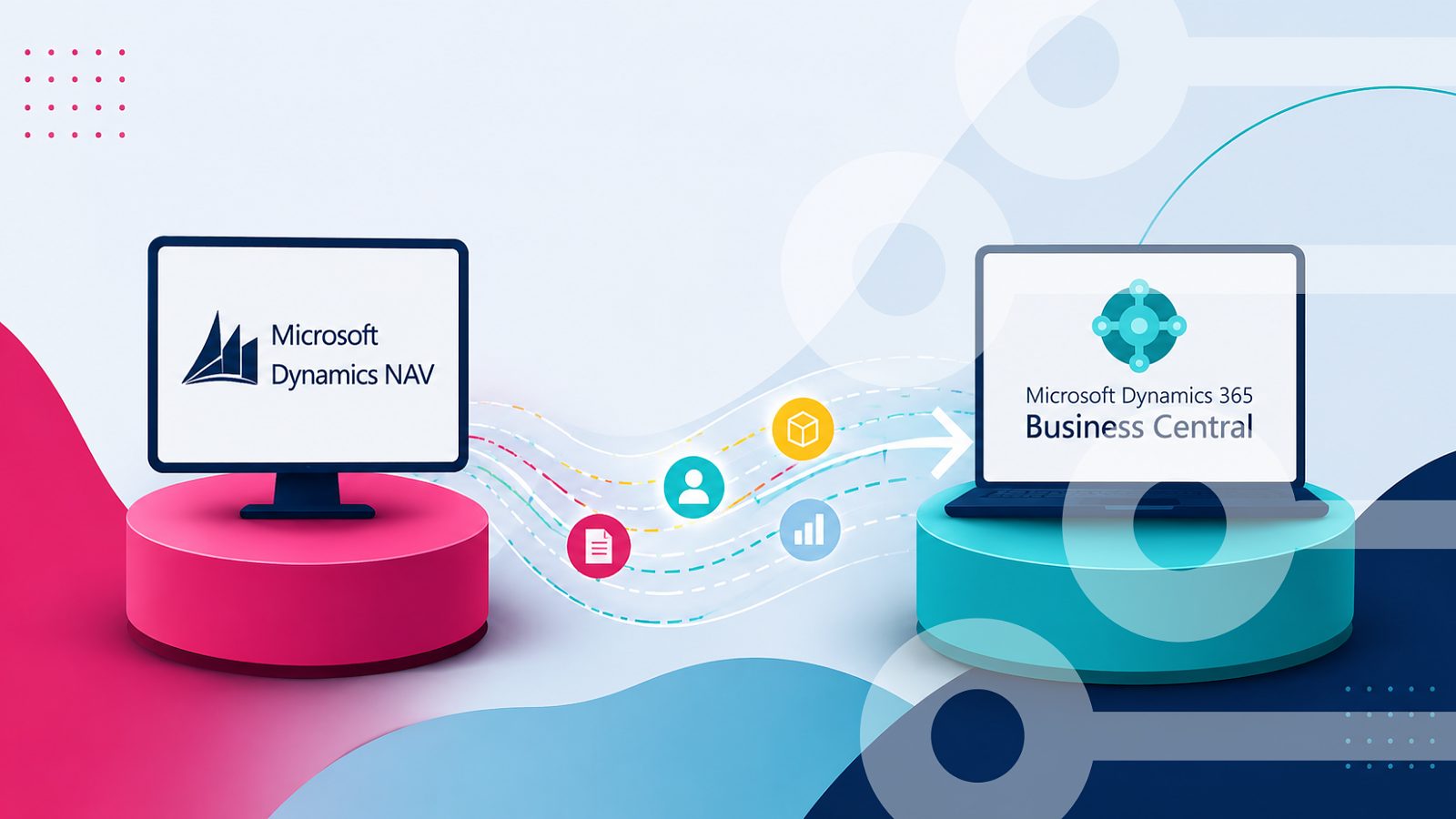
Migrating from Dynamics NAV to Business Central: What will happen with the integration
Moving from Dynamics NAV to Business Central does not automatically mean rebuilding your integration, and what happens depends on how it was built. Depending on the setup, the integration may need to be rebuilt, reconfigured, or adapted. This blog shares a six-step migration guide to help you move to Business Central without putting your business at risk.
→
What is iPaaS and why does your business need it?
iPaaS (Integration Platform as a Service) is a cloud-based solution that connects your business applications, like Salesforce, HubSpot, and Microsoft Dynamics, so they share data automatically and in real time, without manual entry or custom coding. Your business needs it because disconnected systems create silos, delays, and errors; iPaaS eliminates that by syncing data instantly, cutting integration costs, and freeing your team to focus on growth instead of manual data entry.
→
Best Salesforce Integration Tools: Top 8 Solutions Compared
The top Salesforce integration tools are Rapidi, Commercient, Boomi, Jitterbit, MuleSoft, DataOrbis, TIBCO Scribe, plus Copado, Gearset, Hutte, and Heroku's Toolkit for DevOps/admin needs. Rapidi is the strongest fit for Salesforce–Microsoft Dynamics ERP integration; MuleSoft and Jitterbit suit larger, more technical enterprises.
→
Salesforce Shifts from Chatter to Slack for New Orgs: What You Need to Know
If you run Salesforce, you have probably heard Chatter is on its way out. The real story is narrower and more useful than that: nothing changes for existing orgs, but every new Salesforce org now starts life connected to Slack instead.
→
What Are the 9 Most Common ERP‑CRM Integrations?
Most companies don’t realize that ERP-CRM integration projects can be implemented without changing a single line of code in your programs.
→
Does Microsoft Copilot Work With Salesforce? The Complete 2026 Answer
Microsoft Copilot works with Salesforce, but only in limited ways, and the answer depends entirely on which Copilot product you are using. Microsoft 365 Copilot does not natively read Salesforce records. Sales in Microsoft 365 Copilot (previously called Copilot for Sales) can surface Salesforce CRM data inside Outlook and Teams. Copilot experiences inside Dynamics 365 apps work from Dynamics and Dataverse data only, unless Salesforce data is synchronized first.
→
What are the best alternatives to MuleSoft? Comparing Rapidi, Boomi & Celigo
Companies evaluate MuleSoft alternatives for three main reasons: cost ($140K-$250K annual total ownership cost), complexity (3-6-month implementations requiring specialized engineers), and use case fit (MuleSoft excels at 10+ complex API projects but can be overkill for focused CRM-ERP integration needs).
→
Salesforce Field Service ERP Integration: A Practical Guide
Field service teams and finance teams often work in two separate systems. Salesforce Field Service runs the jobs out in the field, while your ERP runs the money side, like orders, invoices, and pricing. This guide shows how to connect the two, so a job done in the field flows straight through to billing in your ERP, and finance data flows back to your technicians.
→
Multi-Entity CRM and ERP Integration: How to Route Data Across Legal Entities Without Rebuilding
To integrate a multi-entity setup, build a single integration with entity routing, then reuse it across all legal entities. You do not need a separate project per company. A platform like Rapidi identifies which legal entity each record belongs to and automatically routes deals, quotes, orders, customers, and invoices to the correct company in your ERP, adjusting only the company, currency, and item codes per entity. This eliminates misrouted records, duplicate customers, and the month-end intercompany reconciliation that drains finance teams.
→
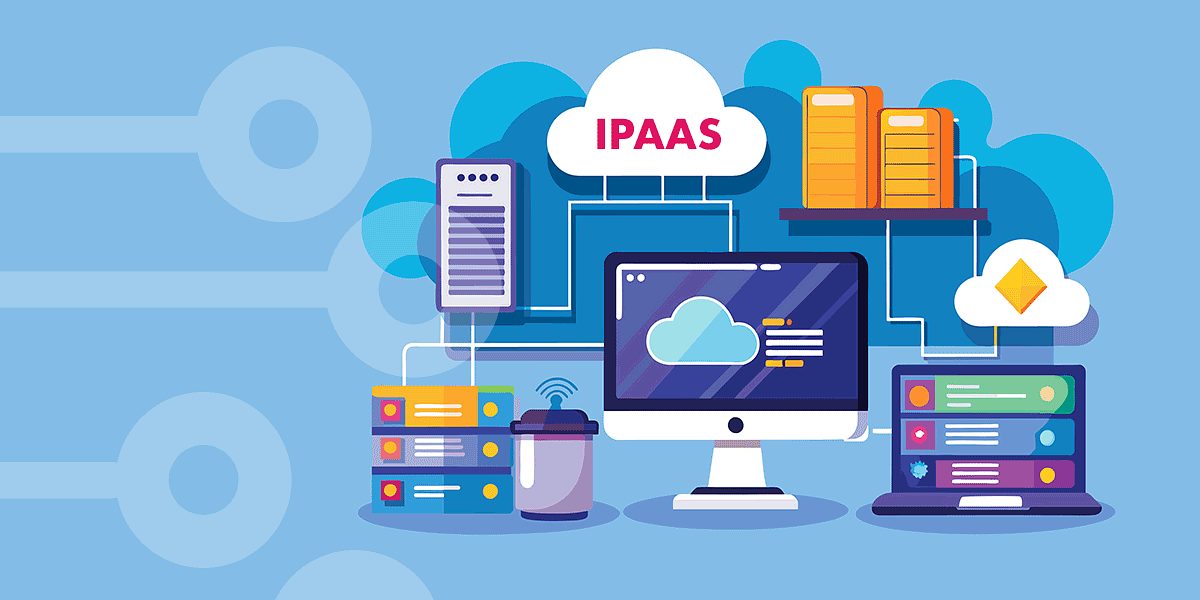
SaaS vs iPaaS: What You Need to Know About Both Technologies
It is no secret that most businesses are turning to the cloud for solutions. In fact, cloud technology is the absolute go-to for businesses nowadays.
→
What’s the Best iPaaS for Small Businesses in 2026?
As small businesses continue adopting more cloud applications, choosing the right iPaaS solution has become essential for keeping systems connected and data synchronized. The best iPaaS platforms in 2026 are those that combine affordability, ease of use, scalability, and fast deployment without requiring complex custom development.
→
Data Integration Platform vs Custom API Integration: Which Is Better for Your Business?
While custom APIs can offer flexibility, they often require significant development time, ongoing maintenance, and higher long-term costs. A modern data integration platform, on the other hand, provides pre-built connectors, faster deployment, easier scalability, and centralized management across multiple systems.
→
How Thames Water connected Salesforce and Microsoft Dynamics with Rapidi
Thames Water replaced custom-coded Salesforce-to-Microsoft-Dynamics-NAV integration with Rapidi, working with KE Consulting (KEC) on the design. The new setup cut manual reconciliation, shortened go-live, and now scales across business units without further custom code. Below is what KEC actually did, what changed after go-live, and the three lessons any team running a similar project should plan for.
→
ERP - CRM integration: How should data flow between systems?
Data between ERP and CRM systems should flow in a structured and bidirectional way, sharing key information like customers, orders, products, and payments in real time to eliminate manual work, ensure data consistency, and support better business decisions across teams.
→
What Are the Do's and Don'ts of a Data Integration Project?
The do's and don'ts of a data integration project come down to decisions made before a single system is connected, from data quality and stakeholder alignment to tool selection and governance. Get those right, and integration becomes a foundation for better decisions. Get them wrong, and the problems compound quickly.
→
Return on AI: Why 95% of Companies See No Results
Around 95% of enterprise AI projects fail to deliver measurable ROI. But the issue is rarely the technology itself.
→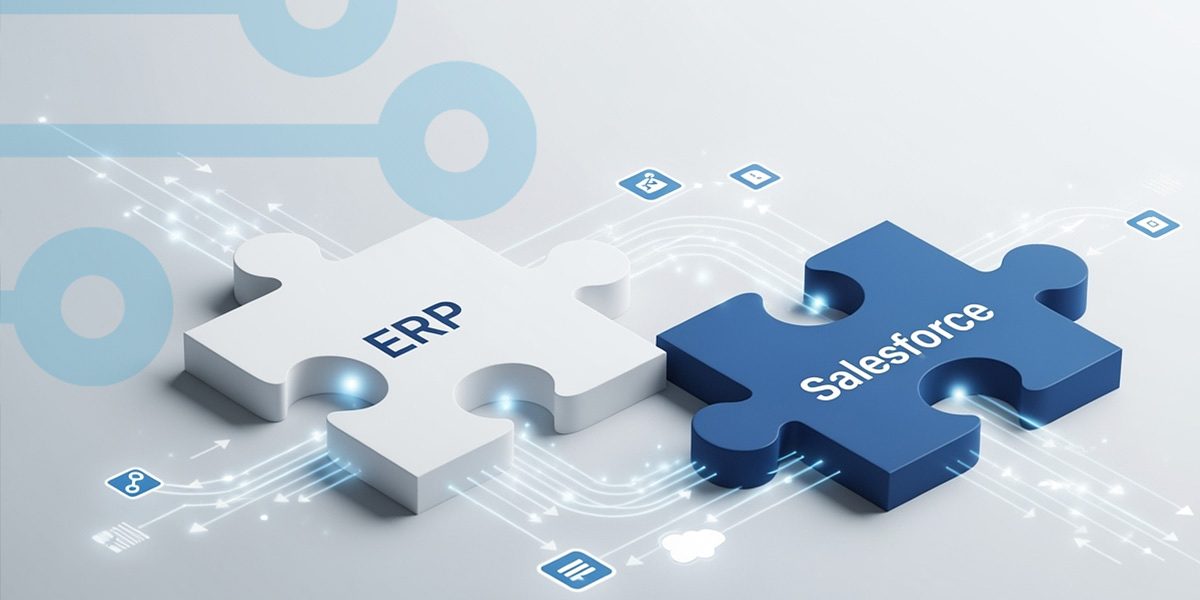
What is an ERP Integration with Salesforce in 2026 and beyond?
An ERP Integration with Salesforce means connecting Salesforce with ERP systems so customer, sales, finance, inventory, and order data stay automatically synced in real time. This removes manual data entry, reduces errors, and ensures all teams work with the same up-to-date information.
→
What are the 20 best data integration tools to use in 2026?
The 20 best data integration tools for 2026 include iPaaS, ETL/ELT, CDC, and Reverse ETL solutions. These tools help connect systems, improve data quality, and speed up reporting and analytics. Rapidi stands out as a flexible, user-friendly platform that simplifies integration and makes data workflows more efficient, making it a top choice for businesses.
→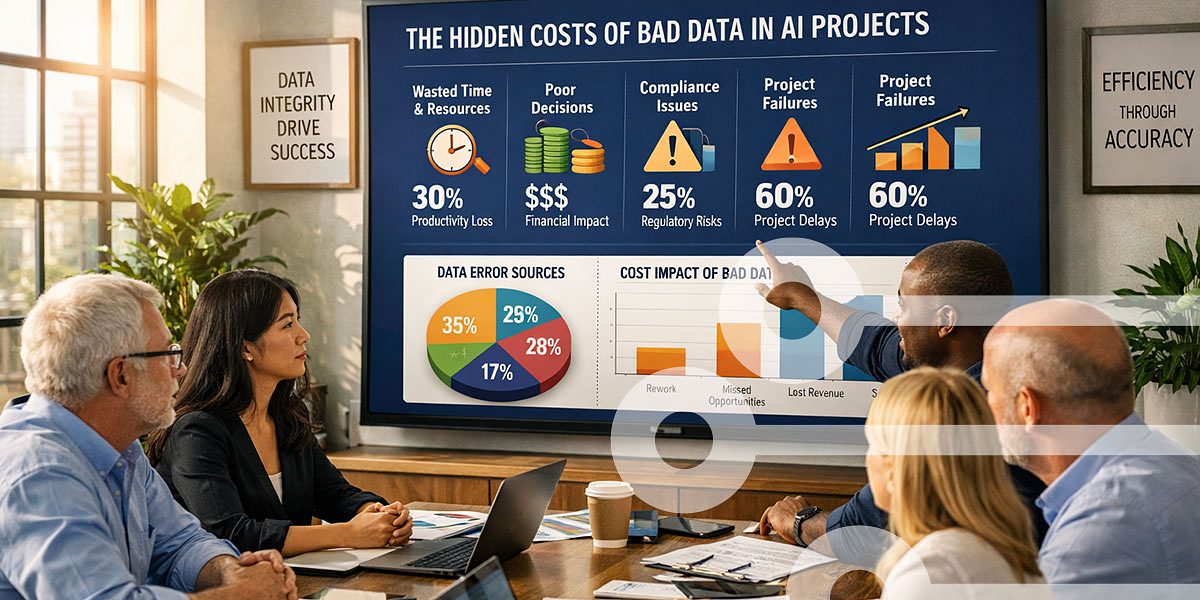
The Hidden Cost of Bad Data in an AI World
Most AI projects fail not because the AI is bad, but because the data feeding it is broken. Without clean, connected data between CRM and ERP systems, AI amplifies errors instead of fixing them.
→
Top data integration challenges and solutions
Collecting, integrating, and analyzing data gives your business a complete picture of how it performs. It shows you patterns, trends, and where things break down. But the right data does not always reach the systems that need it.
→
A beginner’s guide to data integration
People often refer to data as the new oil. And it’s not an exaggerated metaphor. Data fuels everything – from delivering top-notch customer service to shaping strategic decisions.
→
How to Manage Data Integrations Without Engineers
Managing data integration without engineers is now a strategic advantage. You can do that by using a no-code integration platform that automatically connects your systems, eliminates manual processes, and allows business users to control and monitor data flows themselves.
→
How lead to invoice can improve your ERP-CRM Integration Process
Integrating ERP and CRM systems is one of the most effective ways to streamline business operations. Most integration projects share a common goal: eliminating manual work and connecting data across departments.
→![Microsoft Dynamics 365 Finance Integration with Salesforce [Case Story]](/sa/mprazdcbi5kry06y40zo11g1ph6j/construction-site-1.jpeg)
Microsoft Dynamics 365 Finance Integration with Salesforce [Case Story]
Running Dynamics 365 Finance and Operations alongside Salesforce creates data integration issues. Your ERP holds financial records, inventory, and order fulfillment data. Your CRM holds customer interactions, sales pipelines, and quotes. Without a connection between the two, your teams duplicate work and make decisions on incomplete information.
→
How to Use AI in Dynamics 365 CRM: A Step-by-Step Guide
AI in Dynamics 365 CRM integrates built-in artificial intelligence tools like Copilot, predictive analytics, and Customer Insights to automate sales processes, score leads, forecast revenue, and deliver personalized customer experiences based on real-time data.
→
How to Integrate Salesforce with Microsoft Dynamics 365 (ERP Use Case)
Varitronics integrated Salesforce with Microsoft Dynamics 365 Business Central by keeping Salesforce as the CRM, replacing their former Salesforce-based ERP, Ascent, with Business Central, and using Rapidi to connect the two. This gave sales, finance, and operations one connected process without manual re-entry, while allowing each system to stay focused on its own role.
→
What's the Best Integration Platform? Rapidi vs Workato vs MuleSoft vs Boomi vs Zapier
Rapidi, Workato, MuleSoft, Boomi, and Zapier serve different integration needs across the iPaaS market. Rapidi specializes in ERP-CRM integration with 30+ years of Microsoft Dynamics expertise and pre-built templates that get companies live in hours, starting at $400/month. MuleSoft offers powerful API management for large enterprises with dedicated IT teams, though costs start around $80,000/year. Workato provides AI-powered enterprise automation with usage-based pricing. Boomi delivers reliable cloud-native integration for hybrid environments. Zapier suits small teams needing simple web app connections, starting free for basic tasks. The right choice depends on your industry (healthcare, banking, manufacturing, or retail each face unique integration challenges), technical resources, budget, and whether you need specialist ERP-CRM expertise or general-purpose automation.
→
What are the Data Integration Trends and Markets for 2026?
2026 marks a pivotal shift in data integration. The technology is no longer just the foundation of business innovation. It's becoming the operating system for AI agents. As enterprises move from generative AI experimentation to scaled autonomous deployments, data integration platforms must evolve from connecting systems to orchestrating intelligent workflows.
→
Complete Guide to AI in Data Integration
Data silos and manual mapping bog down businesses, turning simple syncs into weeks-long headaches full of errors. Poor data quality costs companies $12.9 million in lost productivity each year, according to Gartner research. This guide shows proven techniques to automate integration processes and explains how Rapidi's platform puts these AI capabilities to work for companies using for example Microsoft Dynamics and Salesforce users.
→
What Are the Key CRM Trends Shaping 2026 and Beyond?
CRM systems are shifting from static databases into connected platforms that use AI and live data to support day-to-day work.
→
MuleSoft vs Boomi vs Rapidi: Choose The Best Data Integration Tool
MuleSoft and Boomi are powerful integration platforms with different approaches: MuleSoft is ideal for complex, API-led environments, while Boomi is more accessible for businesses that want rapid, low-code integration. Which one is better depends on the size of the company, the complexity of the systems, and the budget.
→
How AI Changes CRM: What Businesses Need to Know in 2025 & Beyond
AI is transforming CRM by automating processes, improving customer insights, and enabling predictive and autonomous decision-making. In 2025 and beyond, businesses need to focus on using AI not just as a support tool, but as a driver of sales, marketing, and customer experience through data integration and intelligent automation.
→
Integrate Salesforce & Dynamics 365 ERP in 3 Steps
Connecting Salesforce with Microsoft Dynamics 365 ERP can transform how your teams work -breaking down silos, eliminating double data entry, and giving everyone access to the same up-to-date information. But where do you start?
→![How Rapidi Helped Educate 360 Scale Business Automation [Case Story]](/sa/wzdqr4migsrdb0ntjdskbteclr5q/educate-case-story-blog.jpeg)
How Rapidi Helped Educate 360 Scale Business Automation [Case Story]
Educate 360 runs five professional training brands across multiple countries. The company uses Salesforce for sales and customer management and Microsoft Dynamics 365 Business Central for accounting. Before Rapidi, custom APIs connected these systems. Those APIs broke down under high transaction volumes, forced staff to enter data manually, and created inconsistencies across departments.
→
Retail Data Integration Guide: Connecting POS, ERP, and CRM for Real Omnichannel Insight
Retail has changed. Customers browse on mobile, check stock online, and still walk into stores to buy. They expect the same prices, the same loyalty benefits, and the same level of service everywhere.
→
What are the must-attend Salesforce Events in 2026?
Local or global, technical or commercial, physical or virtual, Salesforce events are known to deliver great value for money. Is it possible for you to attend all of them? Maybe, but we don't think Finance will approve.
→
Hubspot + Microsoft Dynamics 365 ERP Integration Guide
Businesses that, e.g., use HubSpot to manage their customer relationships and marketing, but then also use an ERP system (such as e.g., Microsoft Dynamics 365 Business Central, Finance, etc.) for their finance operations, experience a lack of cohesion in their data, needing to update their data manually, as those two systems are not connected. This converts into inefficiency in their business processes and missed opportunities.
→
What is the best NetSuite Salesforce integration?
Salesforce is largely recognized as the best cloud based CRM solution in the world. Similarly, NetSuite is one of the best cloud based ERP solutions with customers all over the world. Many companies wish to take advantage of both these prominent SaaS providers.
→
Our Approach to the Quote-to-Order Process in Salesforce
Salesforce is a great tool. However, if you haven’t used it to automate your quote-to-order process yet, you’re doing your sales team a disservice. It’s a major key to getting your team to adopt Salesforce. Streamlining the process will reduce the chance of errors and empower your sales and finance teams to use their time on more productive things than data entry.
→
Step-by-Step Guide: Salesforce to Dynamics 365 Integration
Some data integration projects can be complex and even become a complete mess if not managed properly and efficiently. Often, the success of a data integration project (for example a Salesforce ERP integration) starts with the quality of your data. It is recommended to do a thorough data clean up before getting started. This way, your integration project will not solve your data quality issues, it will only make them more visible. When data quality is in place, you can easily avoid troubles by following a structured approach. A good way to is start by defining the touch points and data integration routes you want to support.
→
What are the key AI trends transforming Data Integration?
AI is transforming data integration by automating processes, enabling real-time data flows, and using intelligent systems that can learn, adapt, and act autonomously to improve data accuracy and decision-making.
→![[WEBINAR ON-DEMAND] Salesforce and Salesforce Integration](/sa/712v6vn5f29lwjl0d2oabaneillg/salesforce-salesforce-integration.jpeg)
[WEBINAR ON-DEMAND] Salesforce and Salesforce Integration
Integrating multiple Salesforce instances can be a transformative step for organisations looking to streamline operations and improve data coherence. However, this journey is not without its challenges, but don't despair Rapidi makes this task easy for you.
→
Master the Art of HubSpot and Microsoft Dynamics 365 Integration
In our last blog post, we explored the step-by-step process of integrating HubSpot with Microsoft Dynamics 365 Business Central - a powerful combination that streamlines processes, improves data accuracy, and enhances CRM capabilities.
→
Webinar On-Demand: How to Integrate Salesforce and Dynamics 365 Finance with no code
Effective communication between your business systems is key to smooth operations. Integrating Salesforce with Microsoft Dynamics 365 Finance may seem challenging—especially when earlier versions of Dynamics (like Dynamics AX) lack native timestamp features, making it difficult to track new or updated data accurately.
→
CDS, CDM and Data Integration
Industries are grappling with the challenge of managing vast amounts of data across multiple systems and departments, leading to inefficiencies, inconsistencies, and limited access to real-time information.
→
Why Integrate HubSpot and MS Dynamics 365 Business Central?
If you use HubSpot and Dynamics 365 Business Central, there are many benefits to integrating the two systems: you keep data consistent, improve collaboration between sales and finance, and get a complete view of customers for better decision-making.
→
What can Salesforce CPQ-ERP integration do for your business?
Salesforce CPQ Integration enables you to connect Salesforce CPQ to other business systems (such as ERP or billing systems) to automatically synchronise product, pricing, and order data. This integration reduces manual errors, accelerates the sales cycle, and improves data visibility.
→
Choose your Salesforce Dynamics 365 BC Integration Solution
Many Salesforce integration tools can help you integrate your Salesforce CRM with your ERP solution. Some offer a broad data integration platform that lets you integrate with a wealth of other solutions.
→
Future-Proof Your Business with a Comprehensive ERP System Upgrade
An ERP system is a must-have for businesses today.
→
Enhance automated marketing campaigns with data integration
As we find ourselves in 2025, the marketing landscape has evolved dramatically, driven by rapid technological advancements and a deeper understanding of consumer behavior. The ability to predict and adapt to these changes is crucial for businesses aiming to stay ahead. In this era, data integration has become a pivotal element, providing exceptional insights into customer preferences and behaviors.
→
Top 9 Data Integration Problems and Solutions in 2025
We’ve tackled various data integration topics throughout 2024, from finding the best iPaaS solutions to data integration strategies. As we kick off 2025, it’s crucial to step back and evaluate some of the common issues companies face when it comes to data integration.Data integration will continue to be both a necessity and a competitive differentiator.
→
Benefit & Advantages Of Data Integration
This article explores the significant advantages of integrating ERP and CRM data systems by highlighting six key benefits, such as improved efficiency, seamless data sharing, and enhanced decision-making capabilities. By integrating these systems, businesses can eliminate manual data handling, reduce errors, and empower their teams with real-time access to crucial information, ultimately driving growth and competitive advantage.
→
How to Integrate Salesforce with Salesforce? Guide by Rapidi
You can integrate Salesforce with another Salesforce instance by syncing accounts, contacts, opportunities, and custom objects using a no-code data integration platform like Rapidi, ensuring data consistency and real-time visibility across systems.
→
Solve data replication challenges in multi-site businesses
Maintaining data integrity, accuracy and transparency is a key requirement for multi-site and international businesses striving to deliver impactful insights and increasing operational efficiency.
→
Data Replication 101: How to choose the right data replication solution for your business
Data runs the world today.
→
What Are the Best Data Integration Techniques for Actionable Insights?
The best data integration techniques for actionable insights include uniform data access, common data storage, application-based integration, manual integration, and middleware integration. These approaches connect and unify data from different systems, helping organizations eliminate data silos and analyze information more effectively for better decision-making.
→
How can I successfully plan a data integration project?
A successful data integration project starts with your business processes, not the technology. Define the scope clearly, map and test the data carefully, and set up a reliable sync process with monitoring and error handling. In short, success depends on careful planning, thorough testing, and ongoing maintenance.
→
How to find the best Salesforce Integration partner: Guide
To find the best Salesforce integration partner, businesses should understand their integration needs and look for experienced providers with strong Salesforce expertise, proven system integration capabilities (especially with ERP and third-party tools), and the ability to deliver secure, scalable solutions tailored to their business goals.
→
HOW TO SIMPLIFY INTERNATIONAL AND MULTISITE MICROSOFT DYNAMICS NAV INTEGRATION WITH RAPIDI
Most companies running Microsoft Dynamics NAV/AX/GP in multiple countries or on multiple sites follow a Common Object Runtime Environment (CORE) strategy (also commonly called Kernel in some countries). In a CORE strategy, an add-on solution is built with company-specific requirements in mind, to then be localised and deployed in the local country.
→
How to connect Microsoft Dynamics 365 Sales with Business Central
Integration is the key to unlocking seamless operations and enhanced productivity. Microsoft Dynamics 365 ERP and Dynamics 365 Sales are powerful tools on their own, but they are not integrated by default. This is where Rapidi can help you integrate those systems and, when integrated, revolutionise the way businesses manage their operations and customer relationships. Rapidi, a no-code integration solution, simplifies this process, making it accessible to businesses of all sizes.
→
How to integrate Microsoft Azure Logic Apps with Microsoft Dynamics 365?
Microsoft Azure Logic Apps integrates with Microsoft Dynamics 365 by using pre-built connectors and APIs to automate workflows, synchronize data, and connect Dynamics 365 with other applications and services. This enables businesses to reduce manual work, improve data accuracy, and ensure real-time data flow across systems.
→
The significance of data replication in the retail industry
Successful businesses all have one thing in common: they function and make informed decisions based on accurate, real-time data.
→
How to boost your Salesforce user adoption in 4 easy steps
So you have selected Salesforce to complement your Microsoft Dynamics ERP and get rid of old, disconnected processes.
→![Salesforce and Microsoft Dynamics 365 Integration [WEBINAR REPLAY]](/sa/gqz9kff8nrbfrpoz2awc2d9emk6f/webinar-sfdc-dyn365.jpeg)
Salesforce and Microsoft Dynamics 365 Integration [WEBINAR REPLAY]
Uncover the essential strategies and advantages of merging Salesforce with Microsoft Dynamics 365 ERP. Check our replay of our webinar: "Integrating Salesforce with Microsoft Dynamics 365"
→
How to handle data integration errors
Ensuring transparency in data transfers is a critical challenge in data integration, notably between CRM and ERP systems.
→
What are the benefits of Salesforce CPQ? 8 advantages for sales teams
Salesforce CPQ helps sales professionals optimize and automate the entire sales process, from initial product configuration to final quote delivery. It enables sales teams to generate accurate quotes quickly, reduces the amount of human errors by automating pricing and configurations, and frees up sales teams to focus on selling. It can also suggest cross-selling and upselling opportunities and gives sales leaders improved data and tracking for better decision-making.
→
Salesforce - Microsoft Dynamics 365 Data Migration: Why and How?
Companies nowadays have to deal with vast amounts of data. Consequently, big data, data storage, data management, and data migration have become topics of the utmost importance for business leaders. Maintaining a high level of data quality is crucial. Organisations must find the best data storage solution and software solutions such as ERP, CRM, WMS, etc.Assembling the perfect set of solutions sometimes means moving data from one location to another, from one system to another. A company could be changing CRM systems from Microsoft Dynamics 365 to Salesforce. Or from Salesforce to Microsoft Dynamics 365 Sales. It could be a strategic decision or the result of a merger.Because a company’s data is one of the most valuable assets, data migration has to be performed most securely. That’s why selecting a data migration solution provider with extensive experience and robust data integration technology becomes a must.
→![Salesforce and Microsoft Dynamics 365 Integration [Webinar Replay]](/sa/keqg2hb2lkupzc6k0m9uqehogzhk/webinar-20top-20banner-20picture.jpeg)
Salesforce and Microsoft Dynamics 365 Integration [Webinar Replay]
Discover the key steps and benefits of integrating Salesforce with Microsoft Dynamics 365 ERP. Rewatch our live webinar: Integrate Salesforce with Microsoft Dynamics 365 friom the 4th of April 2024.
→
Cloud Data Integration vs On-Premise Integration: Key Differences, Benefits and Use Cases
Big data is no longer just a buzzword. The new volumes of data collected daily have pushed companies to value data more than ever before. Data quality and data accuracy have become essential components of any organisation's data management and digital data transformation strategy.Unifying and combining data between data warehouses and other systems is a must-do. This has led organisations to look at data integration tools. Companies must integrate their systems to optimise business processes and remove error-prone manual data entries. There are many benefits to data integration.The question is what data solution integration to choose. Are cloud-based data integration better than on-premise solutions? When is a cloud platform the right solution? This article will help you make an informed decision.
→
Maximizing ROI: Integrating Salesforce and ERP Systems for Success
There are many reasons to integrate Salesforce with ERP solutions, such as Microsoft Dynamics ERP (Dynamics 365 product suite such as Dynamics 365 Business Central, Finance (former Finance & Operations), Sales (former CRM), NAV, AX, GP). Integrated solutions provide accurate data to your staff.
→
Microsoft Dynamics 365 Business Central & Dynamics 365 Sales Integration
Are you contemplating a switch from Salesforce to Microsoft Dynamics 365 Sales or simply looking to integrate Dynamics 365 Business Central with Microsoft Dynamics 365 Sales?
→
How Does Microsoft Dataverse Integrate with Business Central and Salesforce?
Microsoft Dataverse integrates easily with Business Central and other Microsoft applications through built-in connectors and the Power Platform.
→
Navigating CRM Data Cleansing: 5 Key Integration Tips
As we become increasingly reliant on accurate data, keeping customer relationship management (CRM) systems clean and efficient is more important than ever.
→
Digital Transformation Trends: What Businesses Need to Know
Digital technology has revolutionized and shifted how organizations operate and conduct business. With the influx of advanced digital tools, it’s transforming every industry and disrupting traditional business models. Which is why integrating digital technology into your organization is important to improve operations and customer experience, and to stay ahead of the competition.
→
Mulesoft Anypoint Platform™ vs Rapidi Data Integration Solutions
In this article we would like to give you an overview of both Mulesoft Anypoint Platform and in particular the MuleSoft Composer for Salesforce and Rapidi Data Integration Solutions and provide you with a comprehensive comparison of those integration options for you to be able to take a more informed decision what integration platform to choose to solve your data integration challenges.
→
How To Boost Sales With CRM And ERP Integration
Sales organizations worldwide experience increasing pressure from their management to sell more, sell better and sell faster. Sales targets are higher and higher. Sales executives must be more effective and reduce sales operating costs.
→
SOFTWARE INTEGRATION SOLUTIONS: Connect your systems seemlessly
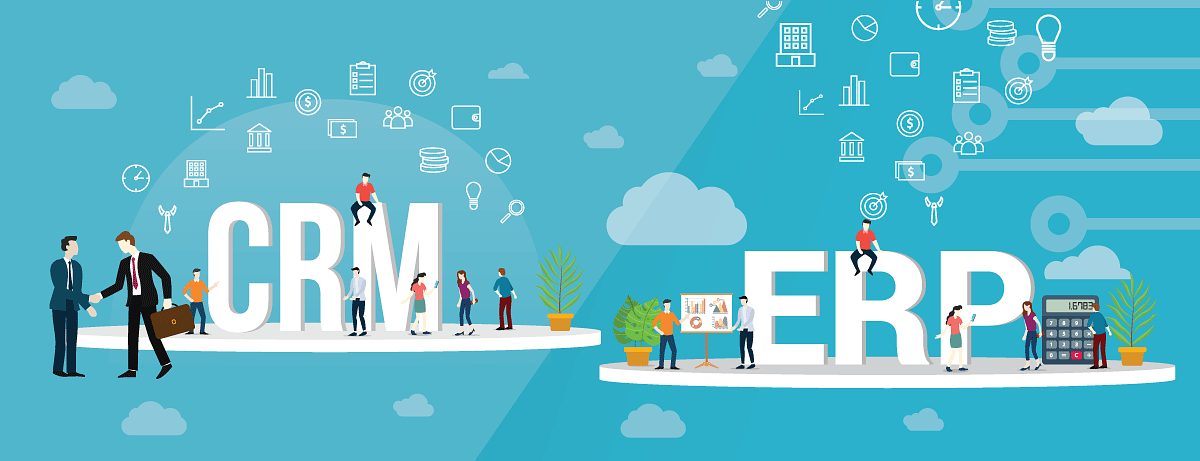
Software integration involves combining different software programs, whether they are from the same or different vendors, into a unified system that can effectively work together to achieve specific goals. This integration is crucial in many organizations as it enables different departments to share data seamlessly, to increase efficiency and productivity. However, software integration can be complex and time-consuming, and it requires a knowledgeable implementation expert and to execute the integration. In this blog post, we will cover everything you need to know about software integration.
→
Choosing A Microsoft Dynamics Salesforce Integration Tool
When integrating Microsoft Dynamics and Salesforce, not all data integration tools will ensure data quality in a fast and smooth way. Most data integration software enable Salesforce–Dynamics integration in its most basic form.
→
Why Is Data Integrity Important? - Importance Of Data Integrity
Data is really nothing more than another word for information. It is one of the most valuable company assets and paramount for any organization aiming to maintain accuracy, consistency, and trustworthiness in its data assets.
→
What Are Passkeys? Easy, Strong and Secure Authentication
A passkey is a digital credential that is used as an authentication method for websites and applications. The passkeys standard is a type of passwordless authentication, promoted by the World Wide Web Consortium and the FIDO Alliance. They are often stored by the operating system or web browser and synchronized between devices from the same ecosystem using the cloud, however, they can also be confined to a single device such as a physical security key also known as a hardware-bound passkey.
→
DATA INTEGRATION PLATFORM OR CUSTOM INTEGRATION?
The IT landscape has evolved considerably in the past decades. Companies worldwide collect more and more data from multiple sources to understand the needs of their customers.
→
The absolute best way to replicate Microsoft Dynamics data
It is more than ever important for companies to be flexible, agile and responsive. It is crucial for organizations to base decisions on current and accurate data. This is not always an easy job. Sometimes, data that is just a couple of hours old can already be old news.
→
Connect Salesforce with Microsoft Dynamics and Grow Your Business
Companies can benefit from integrating their ERP with their CRM in multiple ways. And in fact, the motivations behind ERP-CRM integration projects can vary depending on the size, region, or industry of a company.
→
The Best Way to Build Your Data Integration Architecture
Most businesses use multiple systems for different purposes when you consider the different tools used by sales, marketing, finance, operations, and leadership combined. Over time these systems can become stores of highly valuable information across teams, but data silos can keep them separated unless businesses choose to integrate their data with smart data integration.
→