Data integration

How can you reduce data integration costs? 5 practical tips
You can reduce data integration costs by improving data quality, limiting unnecessary customizations, choosing an integration approach that can adapt to future changes, designing your integration architecture carefully, and following proven integration best practices.
→
What is API Integration and how does It work?
API integration is the process of connecting different software applications through their APIs so they can exchange data and work together.
→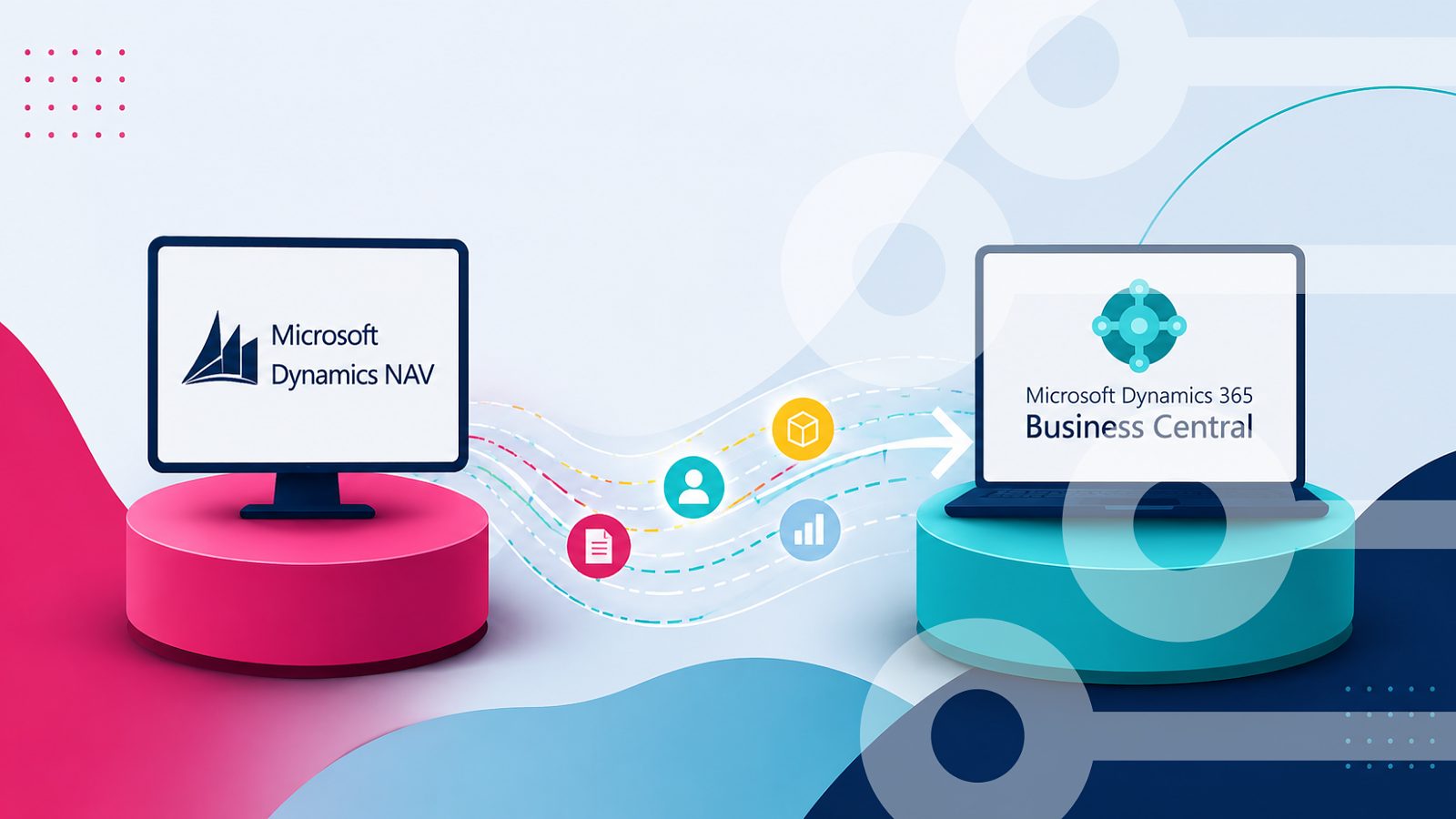
Migrating from Dynamics NAV to Business Central: What will happen with the integration
Moving from Dynamics NAV to Business Central does not automatically mean rebuilding your integration, and what happens depends on how it was built. Depending on the setup, the integration may need to be rebuilt, reconfigured, or adapted. This blog shares a six-step migration guide to help you move to Business Central without putting your business at risk.
→
What is iPaaS and why does your business need it?
iPaaS (Integration Platform as a Service) is a cloud-based solution that connects your business applications, like Salesforce, HubSpot, and Microsoft Dynamics, so they share data automatically and in real time, without manual entry or custom coding. Your business needs it because disconnected systems create silos, delays, and errors; iPaaS eliminates that by syncing data instantly, cutting integration costs, and freeing your team to focus on growth instead of manual data entry.
→
What are the best alternatives to MuleSoft? Comparing Rapidi, Boomi & Celigo
Companies evaluate MuleSoft alternatives for three main reasons: cost ($140K-$250K annual total ownership cost), complexity (3-6-month implementations requiring specialized engineers), and use case fit (MuleSoft excels at 10+ complex API projects but can be overkill for focused CRM-ERP integration needs).
→
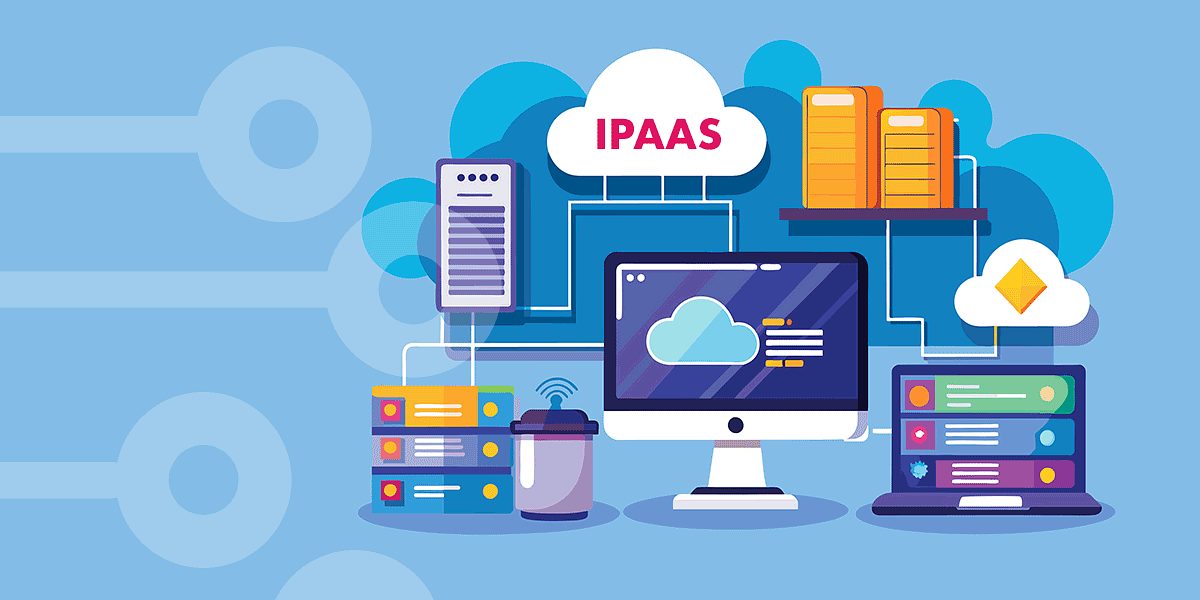
SaaS vs iPaaS: What You Need to Know About Both Technologies
It is no secret that most businesses are turning to the cloud for solutions. In fact, cloud technology is the absolute go-to for businesses nowadays.
→
What’s the Best iPaaS for Small Businesses in 2026?
As small businesses continue adopting more cloud applications, choosing the right iPaaS solution has become essential for keeping systems connected and data synchronized. The best iPaaS platforms in 2026 are those that combine affordability, ease of use, scalability, and fast deployment without requiring complex custom development.
→
Data Integration Platform vs Custom API Integration: Which Is Better for Your Business?
While custom APIs can offer flexibility, they often require significant development time, ongoing maintenance, and higher long-term costs. A modern data integration platform, on the other hand, provides pre-built connectors, faster deployment, easier scalability, and centralized management across multiple systems.
→
What Are the Do's and Don'ts of a Data Integration Project?
The do's and don'ts of a data integration project come down to decisions made before a single system is connected, from data quality and stakeholder alignment to tool selection and governance. Get those right, and integration becomes a foundation for better decisions. Get them wrong, and the problems compound quickly.
→
What are the 20 best data integration tools to use in 2026?
The 20 best data integration tools for 2026 include iPaaS, ETL/ELT, CDC, and Reverse ETL solutions. These tools help connect systems, improve data quality, and speed up reporting and analytics. Rapidi stands out as a flexible, user-friendly platform that simplifies integration and makes data workflows more efficient, making it a top choice for businesses.
→
Top data integration challenges and solutions
Collecting, integrating, and analyzing data gives your business a complete picture of how it performs. It shows you patterns, trends, and where things break down. But the right data does not always reach the systems that need it.
→
A beginner’s guide to data integration
People often refer to data as the new oil. And it’s not an exaggerated metaphor. Data fuels everything – from delivering top-notch customer service to shaping strategic decisions.
→
What's the Best Integration Platform? Rapidi vs Workato vs MuleSoft vs Boomi vs Zapier
Rapidi, Workato, MuleSoft, Boomi, and Zapier serve different integration needs across the iPaaS market. Rapidi specializes in ERP-CRM integration with 30+ years of Microsoft Dynamics expertise and pre-built templates that get companies live in hours, starting at $400/month. MuleSoft offers powerful API management for large enterprises with dedicated IT teams, though costs start around $80,000/year. Workato provides AI-powered enterprise automation with usage-based pricing. Boomi delivers reliable cloud-native integration for hybrid environments. Zapier suits small teams needing simple web app connections, starting free for basic tasks. The right choice depends on your industry (healthcare, banking, manufacturing, or retail each face unique integration challenges), technical resources, budget, and whether you need specialist ERP-CRM expertise or general-purpose automation.
→
What are the Data Integration Trends and Markets for 2026?
2026 marks a pivotal shift in data integration. The technology is no longer just the foundation of business innovation. It's becoming the operating system for AI agents. As enterprises move from generative AI experimentation to scaled autonomous deployments, data integration platforms must evolve from connecting systems to orchestrating intelligent workflows.
→
Complete Guide to AI in Data Integration
Data silos and manual mapping bog down businesses, turning simple syncs into weeks-long headaches full of errors. Poor data quality costs companies $12.9 million in lost productivity each year, according to Gartner research. This guide shows proven techniques to automate integration processes and explains how Rapidi's platform puts these AI capabilities to work for companies using for example Microsoft Dynamics and Salesforce users.
→
MuleSoft vs Boomi vs Rapidi: Choose The Best Data Integration Tool
MuleSoft and Boomi are powerful integration platforms with different approaches: MuleSoft is ideal for complex, API-led environments, while Boomi is more accessible for businesses that want rapid, low-code integration. Which one is better depends on the size of the company, the complexity of the systems, and the budget.
→
Retail Data Integration Guide: Connecting POS, ERP, and CRM for Real Omnichannel Insight
Retail has changed. Customers browse on mobile, check stock online, and still walk into stores to buy. They expect the same prices, the same loyalty benefits, and the same level of service everywhere.
→
What are the key AI trends transforming Data Integration?
AI is transforming data integration by automating processes, enabling real-time data flows, and using intelligent systems that can learn, adapt, and act autonomously to improve data accuracy and decision-making.
→
Future-Proof Your Business with a Comprehensive ERP System Upgrade
An ERP system is a must-have for businesses today.
→
Enhance automated marketing campaigns with data integration
As we find ourselves in 2025, the marketing landscape has evolved dramatically, driven by rapid technological advancements and a deeper understanding of consumer behavior. The ability to predict and adapt to these changes is crucial for businesses aiming to stay ahead. In this era, data integration has become a pivotal element, providing exceptional insights into customer preferences and behaviors.
→
Top 9 Data Integration Problems and Solutions in 2025
We’ve tackled various data integration topics throughout 2024, from finding the best iPaaS solutions to data integration strategies. As we kick off 2025, it’s crucial to step back and evaluate some of the common issues companies face when it comes to data integration.Data integration will continue to be both a necessity and a competitive differentiator.
→
What Are the Best Data Integration Techniques for Actionable Insights?
The best data integration techniques for actionable insights include uniform data access, common data storage, application-based integration, manual integration, and middleware integration. These approaches connect and unify data from different systems, helping organizations eliminate data silos and analyze information more effectively for better decision-making.
→
How can I successfully plan a data integration project?
A successful data integration project starts with your business processes, not the technology. Define the scope clearly, map and test the data carefully, and set up a reliable sync process with monitoring and error handling. In short, success depends on careful planning, thorough testing, and ongoing maintenance.
→
How to handle data integration errors
Ensuring transparency in data transfers is a critical challenge in data integration, notably between CRM and ERP systems.
→
Cloud Data Integration vs On-Premise Integration: Key Differences, Benefits and Use Cases
Big data is no longer just a buzzword. The new volumes of data collected daily have pushed companies to value data more than ever before. Data quality and data accuracy have become essential components of any organisation's data management and digital data transformation strategy.Unifying and combining data between data warehouses and other systems is a must-do. This has led organisations to look at data integration tools. Companies must integrate their systems to optimise business processes and remove error-prone manual data entries. There are many benefits to data integration.The question is what data solution integration to choose. Are cloud-based data integration better than on-premise solutions? When is a cloud platform the right solution? This article will help you make an informed decision.
→
Digital Transformation Trends: What Businesses Need to Know
Digital technology has revolutionized and shifted how organizations operate and conduct business. With the influx of advanced digital tools, it’s transforming every industry and disrupting traditional business models. Which is why integrating digital technology into your organization is important to improve operations and customer experience, and to stay ahead of the competition.
→
Mulesoft Anypoint Platform™ vs Rapidi Data Integration Solutions
In this article we would like to give you an overview of both Mulesoft Anypoint Platform and in particular the MuleSoft Composer for Salesforce and Rapidi Data Integration Solutions and provide you with a comprehensive comparison of those integration options for you to be able to take a more informed decision what integration platform to choose to solve your data integration challenges.
→
SOFTWARE INTEGRATION SOLUTIONS: Connect your systems seemlessly
Software integration involves combining different software programs, whether they are from the same or different vendors, into a unified system that can effectively work together to achieve specific goals. This integration is crucial in many organizations as it enables different departments to share data seamlessly, to increase efficiency and productivity. However, software integration can be complex and time-consuming, and it requires a knowledgeable implementation expert and to execute the integration. In this blog post, we will cover everything you need to know about software integration.
→
Why Is Data Integrity Important? - Importance Of Data Integrity
Data is really nothing more than another word for information. It is one of the most valuable company assets and paramount for any organization aiming to maintain accuracy, consistency, and trustworthiness in its data assets.
→
What Are Passkeys? Easy, Strong and Secure Authentication
A passkey is a digital credential that is used as an authentication method for websites and applications. The passkeys standard is a type of passwordless authentication, promoted by the World Wide Web Consortium and the FIDO Alliance. They are often stored by the operating system or web browser and synchronized between devices from the same ecosystem using the cloud, however, they can also be confined to a single device such as a physical security key also known as a hardware-bound passkey.
→
DATA INTEGRATION PLATFORM OR CUSTOM INTEGRATION?
The IT landscape has evolved considerably in the past decades. Companies worldwide collect more and more data from multiple sources to understand the needs of their customers.
→
The Best Way to Build Your Data Integration Architecture
Most businesses use multiple systems for different purposes when you consider the different tools used by sales, marketing, finance, operations, and leadership combined. Over time these systems can become stores of highly valuable information across teams, but data silos can keep them separated unless businesses choose to integrate their data with smart data integration.
→
Data stewards: a must for data-driven companies
You have invested much in your systems. Your CRM takes care of your customer-related operations. Your ERP helps your staff handle administrative and operational tasks and control the billing cycle. You may even have a SCM system to streamline your production and supply chain processes. An ecommerce platform may help you sell online.
→
Data integration is the future of marketing
Marketing is at the heart of most companies’ strategies. Marketing is the gatekeeper and promoter of a company’s image and reputation. Marketing follows market trends and adapts to them to find new potential customers.
→
DATA INTEGRATION TO SOLVE YOUR GDPR CHALLENGES
Since its adoption in 2016, GDPR has been the topic of many conversations, LinkedIn posts, Google Ads, blog articles and webinars.
→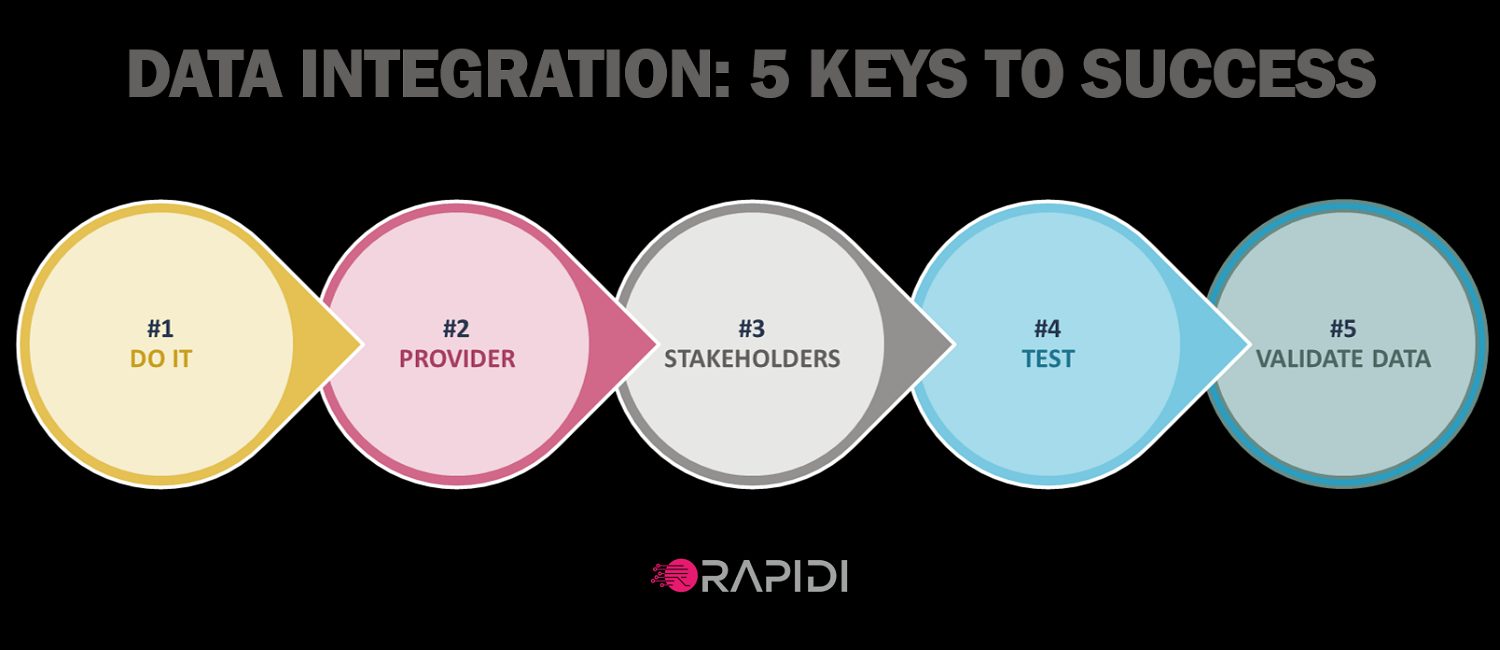
5 keys to data integration success
To learn more about the success of data integration projects, it is important to study the cases of companies that have experienced such success.
→
Can you avoid complex system integration?
Too often, data integration has been associated with complex, slow and frustrating projects, with delays and scary learning and deployment curves.
→
WHY DATA DRIVEN COMPANIES OFFER BETTER CUSTOMER SERVICE
IT leaders all over the world have a strong focus on providing management with better information. Reliable data empowers business executives to make better decisions.
→
How to protect the value of your data
Data is a substantial company asset, just like people, time and money. No company should gamble with their data or their data security. Instead, all companies should invest in improving data quality and start fueling this data in their sales processes.
→
Software integration: the ultimate Q&A
Data integration and software integration have become much more than buzz words. Integration has become a systematic part of most companies' business transformation plans. This is because people have understood that data transformation and business processes optimization are closely linked.
→
Advantages of Integrated Systems For Your company
System integration has become a relevant topic for most IT leaders worldwide. Why? Simply because companies have invested in a range of small and large systems to increase productivity and streamline operations.
→
How to choose a data integration consultant
Today, companies use an increasing number of data sources. They must control data quality and have a unified view of their data and a good master data management strategy. In the era of big data, integrating systems is often the right solution to keep data in sync, current and valid.
→
How to make your data integration solution robust
Companies worldwide use specialized systems like ERP, CRM or other data centers to support the necessary process of digitization, globalization or general decentralization of their business processes. If these systems are used as stand alone without any integration, this can create silos of data, which would seriously jeopardize the investment in these systems.
→
When you think you are forced to upgrade your ERP and then this happens...
Everybody running an ERP system is at least once a year asked if they want to upgrade their system. On the one hand you may be tempted to do so as you would like to take advantage of the new features, but the benefits have to exceed the total price of upgrading. And the price for an ERP upgrade, together with the risk of negative impact on the business during the upgrade process onboarding the new version, often prevents organizations from doing this yearly update. Luckily.
→
What is data integration? 12 definitions to get a better understanding
In the past few years, the volumes of data used by organizations has grown exponentially. Let’s face it: it has become vital for organizations to understand their data sets and organize them. In parallel with this phenomenon, a new series of data integration disciplines have developed with a whole new jargon: data migration, data warehousing, data synchronization, big data and business intelligence (just to name a few) have become such a hype. What is data integration really? I have put together a glossary of the most common data integration terms for a while... Here it is.
→
Do you need real time data integration?
Most of the IT executives that are looking for a data integration system want to have real time integration. While it is often what they want, it is rarely what they need.
→
Bad data issues? Solve them with data integration
Bad data can completely undermine your sales efforts. Research from Experian Data Quality has shown that the average company loses 12% of its revenue as a result of inaccurate data. 95% of organizations see negative impacts from poor data quality, resulting in wasted resources and additional costs, ineffective business initiatives, poor customer experience, delayed data migration projects, and much more.
→
Why Data Integration is Key to Work Process Improvement
Where on your to-do list is data integration, and do you see it as important to work process improvement?Maybe you feel that it would be useful, but it’s not really essential. You’ll get around to it, but you’ve got other priorities for your time and budget right now. Plenty of business owners feel that way. And that’s understandable. After all, you’re getting by OK now without it. Things could sometimes run a little smoother, sure. But how much difference could data integration really make?
→